Basement Waterproofing
Interior and exterior drainage systems built for Ohio's clay soil and seasonal water tables. We stop the water at the source not just mop it up.
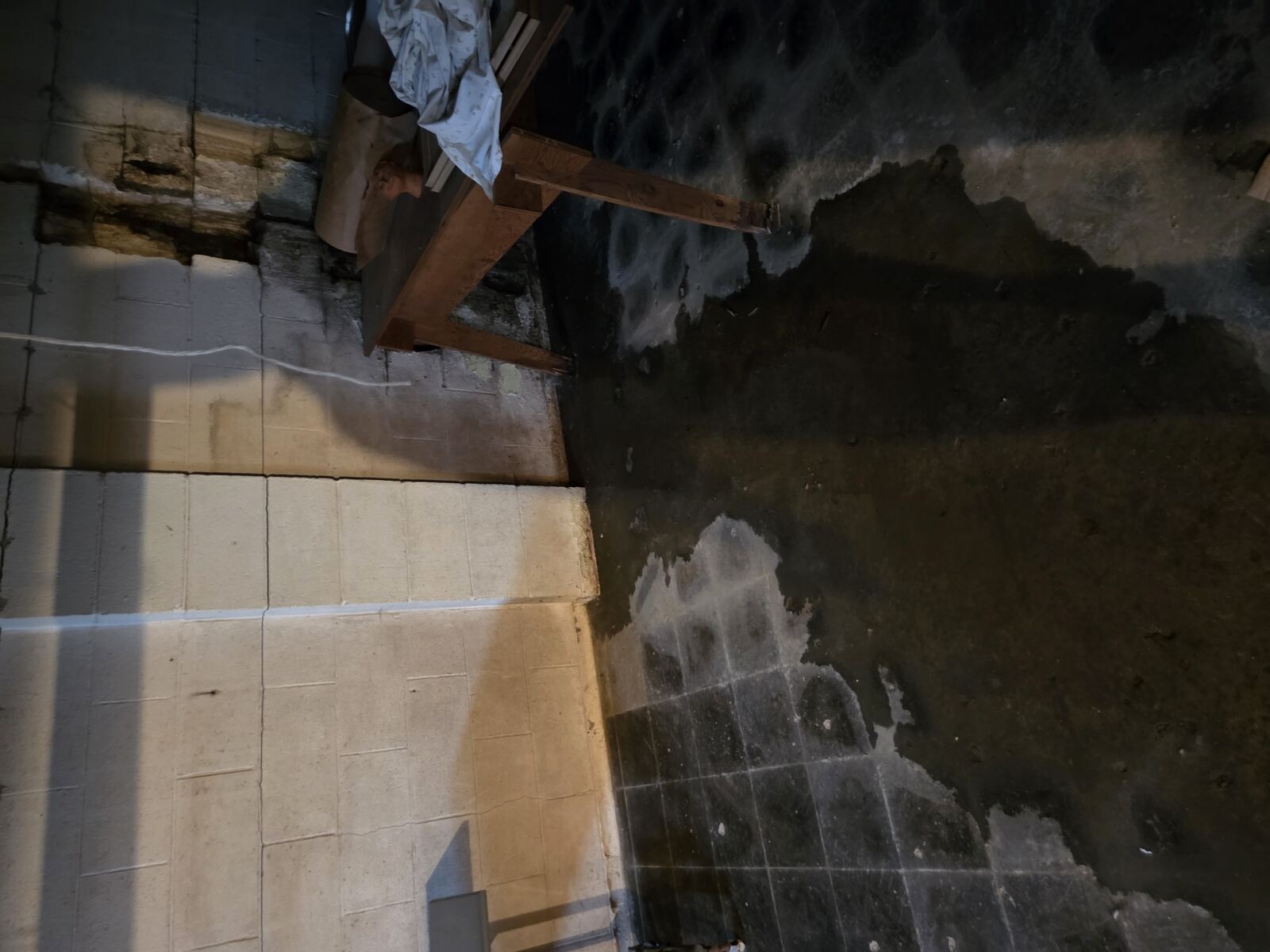
When Your Basement Is Telling You Water's Coming In
Water doesn't announce itself. By the time you see it, it's usually been getting in for a while. Here's what to look for before it becomes a bigger problem.
Standing Water After Rain
If you're finding puddles after heavy rain or snowmelt, your drainage system isn't managing the water load. Ohio's clay soil makes this worse it holds water instead of absorbing it.
White Chalky Residue on Walls
Efflorescence that white powdery buildup is mineral deposits left behind as water evaporates through your walls. It means water is moving through your foundation.
Damp or Musty Smell
A persistently damp smell often means moisture is present even when you can't see standing water. Mold can start growing in 24-48 hours in the right conditions.
Rust Stains on Floor or Walls
Rust stains typically come from water running over metal rebar, pipes, or nails in your slab. It's a sign of recurring moisture intrusion.
Peeling Paint or Bubbling Drywall
Moisture pushing through walls will eventually compromise whatever's covering them. If your paint is bubbling or peeling from the bottom up, water is involved.
Cracks With Seepage
Cracks in poured concrete or block walls that show staining or seepage are active entry points. They won't seal themselves they'll get worse.
How We Stop the Water
We diagnose first, then build the system around where your water is actually coming from not a one-size-fits-all solution.
Free Inspection
Brandon walks your basement, identifies where water is entering, and explains what's driving it hydrostatic pressure, surface runoff, or wall penetration.
Interior Drain System
We cut the perimeter of your slab, install a drain tile system below the floor, and route water to your sump basin keeping it off your floor permanently.
Wall Membrane & Sealing
Crack injection, wall membranes, and block wall drainage channels are added as needed to intercept water before it reaches your living space.
Sump Integration
Every interior drain system routes to a properly sized sump pump. We make sure the whole system works together before we leave.
Why Columbus Basements Need a Different Approach
Central Ohio's clay-heavy soil is the biggest driver of basement water problems in this area. It doesn't drain it holds water and expands, pushing against your foundation walls and driving hydrostatic pressure up through your floor.
Clay Soil Expansion
Columbus clay can expand significantly when saturated. That expansion creates pressure against your foundation that standard drainage doesn't account for.
Seasonal Water Table Swings
Ohio's spring snowmelt and heavy rain seasons push water tables up fast. Systems need to be sized for peak load, not average conditions.
Freeze-Thaw Cycles
The repeated freezing and thawing of soil around your foundation opens new crack paths every winter. Proper drainage reduces the pressure causing that movement.
Frequently Asked Questions
Interior waterproofing manages water that enters the basement by collecting and redirecting it to a sump pump. Exterior waterproofing addresses water before it reaches the wall, typically through excavation and membrane application. Interior systems are more common because they are less disruptive and cost effective for most Columbus homes.
A properly installed interior drain system with a quality sump pump should last 20 to 30 years with basic maintenance. The drain tile itself rarely fails. The sump pump is the component that needs periodic attention.
Yes, meaningfully. A dry basement removes a major red flag for buyers and inspectors. It also opens up usable square footage and removes liability during a sale.
It depends on the source. Sudden events like a burst pipe are typically covered. Gradual seepage or flooding from ground water usually is not. Check your specific policy.
We will let you know what needs to be cleared along the perimeter walls before we start. The middle of the basement can usually stay as is.
Sometimes fixing grading and downspout discharge solves the problem entirely. We assess both during a free inspection and will not sell you interior waterproofing if an exterior fix is all you need.
Wet Basement? We'll Come Take a Look.
Free on-site inspection. No pressure, no guesswork. Brandon comes out, finds where the water's coming from, and gives you a straight answer on what it takes to fix it.